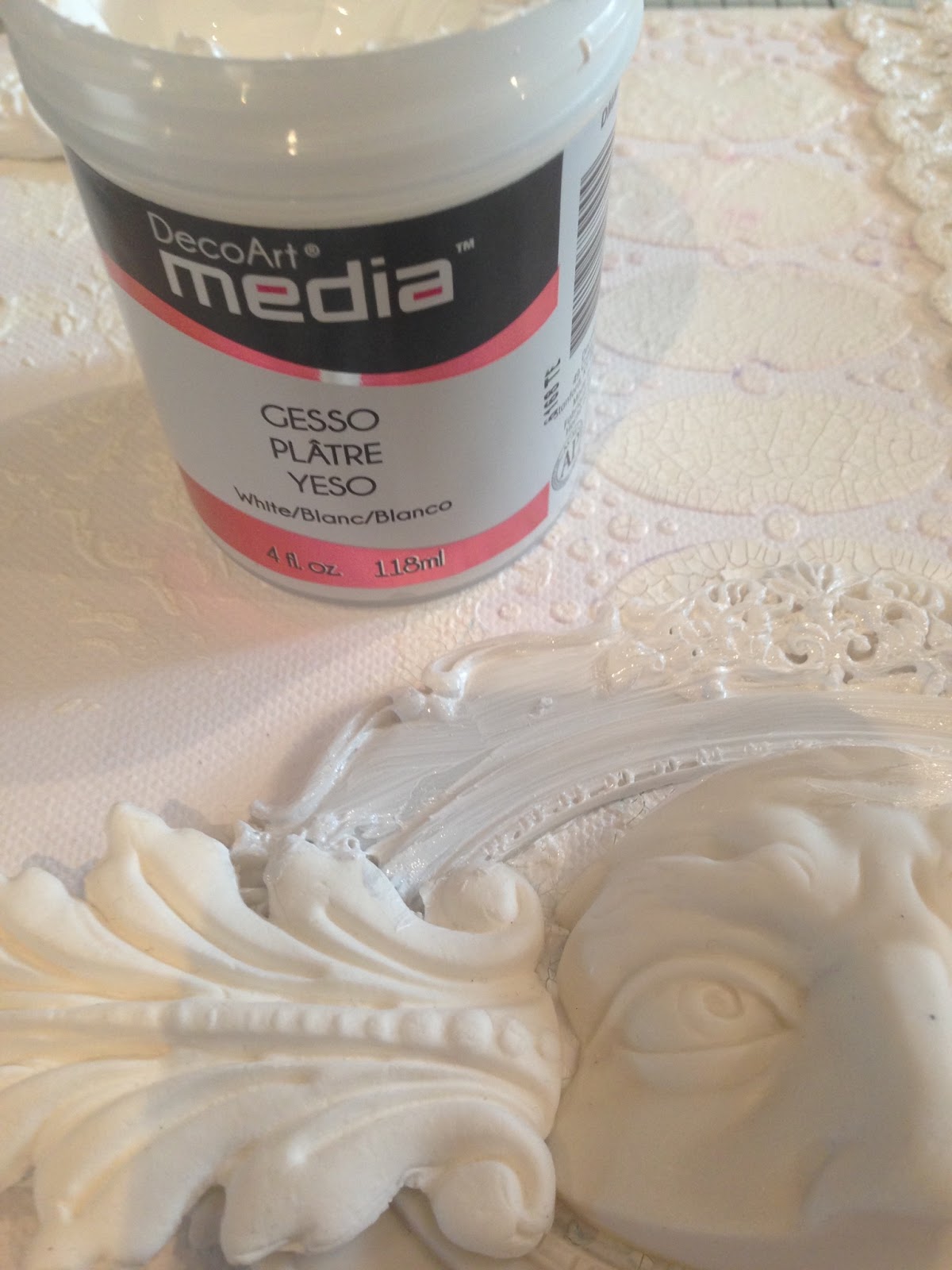
Apply DecoArt Media White Gesso to the shrine
Followed by DecoArt Media Crackle Paste
Apply Gesso to the figures
Apply DecpArt Media Fluid Acrylic Quinacridone Gold as a wash
Followed with Cobalt Teal Hue and Carbon Black
washing and applying neat in areas
Apply a wash of Quinacridone Gold to the figures blending in the Black to areas
In
Vajrayana Buddhism the Five Dhyani Buddhas or the 'Five Great Buddhas' are
representations of the five qualities of the Buddha. There are different
associations that go along with each of these Buddhas including a different
season, wisdom and cardinality - in this case, which cardinal direction the
Buddha normally faces. (These are all included in the description below). There
are only four within this set as these are associated with the main seasons
& cardinalities (i.e. The fifth Buddha represents the 'Centre' and does not
carry a season).
Akshobhya -
Second Dhyani Buddha
Faces East, Represents the Water Element, Winter Season, the Colour Blue &
the Wisdom of Reflection.
The Dhyani Buddha Akshobhya is usually represented by exhibiting the
Bhumisparsa Mudra (spiritual gesture, or pose). This gesture can be translated
as 'Touching the Earth' or 'Calling to Witness the Truth' Mudra, where the
right arm is pendant over the right knee. This figurine is this set however has
a similar pose to the Buddha Amitabha (Fourth Buddha), and exhibits the Dhyana
Mudra where the two palms are folded face up on top of each other and are lying
in his lap. This gesture is said to promote the energy of meditation and deep
contemplation.
Akshobhya's symbol is a sceptre/Vajra, (a Sanskrit word meaning both
thunderbolt and diamond).
Suggested placement: At the centre of your home, or at the main entrance.
Ratnasambhava - Third Dhyani Buddha
Faces South, Represents the Earth Element, Spring Season, the Colours
Gold/Yellow & the Wisdom of Equality.
Ratnasambhava usually depicts the Varada Mudra, this is the gesture of charity
and gift bestowing. His lift palm rests on the lap with an open palm, whilst
the right is extended downwards. The Varada Mudra is said to express the energy
of liberation and compassion whilst offering acceptance.
His symbol is the Jewel; within both Hindu & Buddhist traditions this is
said to be the equivalent of the philosopher's stone (a wish-fulfilling jewel)
Suggested placement: In the home office, or library/study.
Amitabha - Fourth Dhyani Buddha
Faces West, Represents the Fire Element, Summer Season, the Colour Red &
The Wisdom of Observation.
The Buddha Amitabha is shown with the Dhyana Mudra; both hands are placed on
the lap with the right hand on the left, fingers fully stretched and the palms
facing upwards.
His symbol is the Lotus; this usually represents rebirth, faith and
beauty.
Suggested placement: In the centre of the home, study or a meditation room.
Amoghshuddhi - Fifth Dhyani Buddha
Faces North, Represents the Air/Wind Element, the Autumn Season, the Colour
Green & the Wisdom of Perfect Practice.
The fifth Dhyani Buddha Amoghshuddhi depitcs the Abhaya Mudra, is this gesture,
the arm is elevated and slightly bent, the hand is lifted to the shoulder level
with the palm turned outwards and the fingers are extended. This pose usually
represents protection or fearlessness.
His symbol is the double vajra/ the double thunderbolt.
Suggested placement: In the main entrance of the home, or the living room.